In today's rapidly evolving global trade environment, offering high-quality products is no longer enough for businesses to compete in international markets. Ensuring that goods cross borders at the right time, at the right cost, and in compliance with applicable regulations is equally important.
In this context, professional management of customs clearance and foreign trade operations is one of the key factors directly influencing business success.
Proper planning of customs procedures helps prevent delays, control costs, and ensure the smooth flow of international trade operations.
What Is Customs Clearance and Why Is It Important?
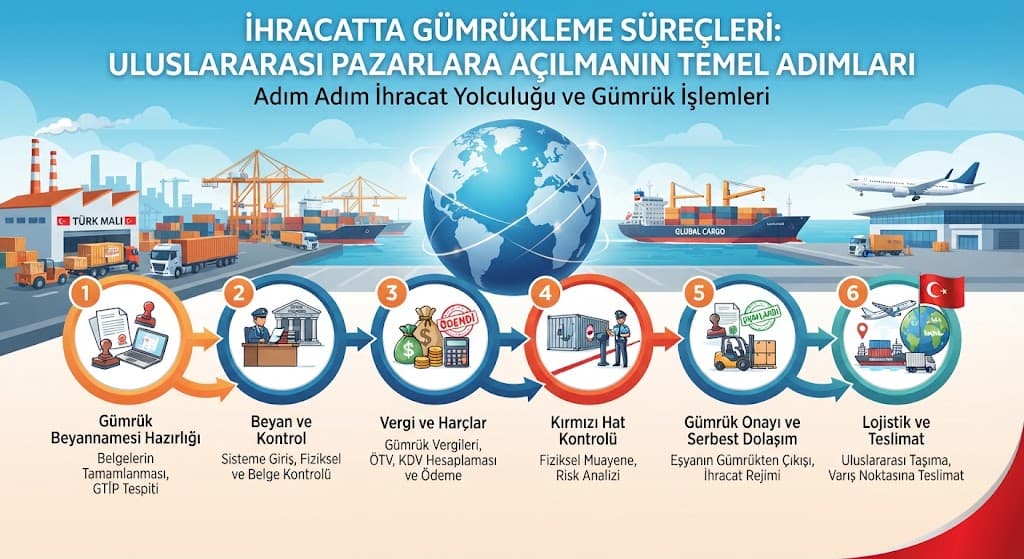
Customs clearance is the process of declaring goods subject to import and export transactions in accordance with the relevant country's customs regulations and completing the necessary procedures for their release into free circulation or export.
This process includes several important stages, such as:
Preparing and reviewing customs declarations.
Correctly classifying goods under the appropriate HS or tariff codes.
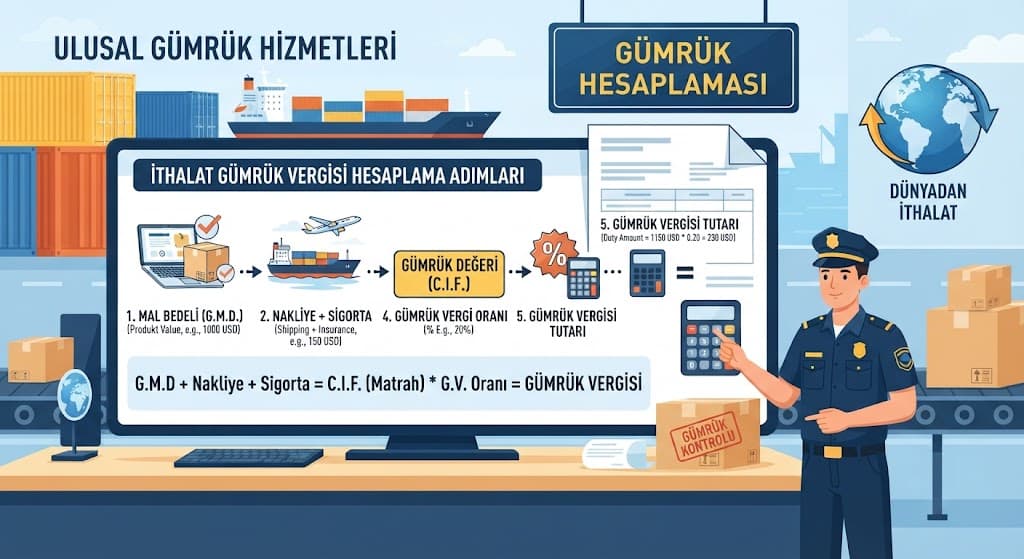
Calculating customs duties and other financial obligations.
Checking permits, documents, and regulatory compliance requirements.
Managing and monitoring procedures with customs authorities.
Errors or omissions during customs procedures can result in goods being held at customs, additional costs, and extended delivery times.
Key Considerations in Import and Export Operations
Successful international trade requires careful planning of import and export operations, taking into account the specific requirements of each process.
1. Accurate HS Code and Tariff Classification
Correct classification of goods under the appropriate Harmonized System (HS) or tariff code is essential for determining applicable customs duties and trade policy measures.
Incorrect tariff classification may result in underpayment or overpayment of duties, requests for additional documentation, and regulatory penalties.
2. Preparing Complete and Accurate Documentation
Commercial invoices, packing lists, transport documents, certificates of origin, and other documents required according to the nature of the goods must be reviewed before the transaction begins.
Identifying inconsistencies between documents at an early stage helps ensure smoother customs procedures.
3. Calculating Taxes and Costs in Advance
Accurate calculation of import costs is essential for maintaining effective cash flow management and protecting business profitability.
Customs duties, VAT, additional financial obligations where applicable, storage charges, demurrage, and other operational expenses should be evaluated together.
4. Effective Monitoring of Operational Processes
Regular monitoring of every stage of customs clearance helps identify potential delays at an early stage.
Coordinated management of customs brokerage, transportation, and warehousing operations improves operational efficiency.
How Are Digitalization and Technology Transforming Customs Clearance?
Digitalization is enabling customs clearance and logistics operations to be managed more efficiently, transparently, and measurably.
Electronic document management, automated data checks, digital reporting, and AI-powered analytics allow businesses to monitor their operations more effectively.
Key applications include:
Digital shipment tracking: Monitoring the real-time status of import and export files.
Automated document verification: Identifying missing or inconsistent documents at an early stage.
Cost analysis: Tracking customs clearance, transportation, and warehousing expenses on a shipment-by-shipment basis.
Data-driven reporting: Measuring operational performance and customer-specific processes.
The effective use of technology enhances transparency and strengthens operational control throughout customs clearance processes.
How Does Professional Customs Brokerage Benefit Businesses?
Professional customs brokerage services help businesses manage their foreign trade operations in a planned manner and in compliance with applicable regulations.
Through effective process management, businesses can:
Reduce potential delays in customs procedures.
Plan taxes and operational costs more accurately.
Manage regulatory compliance more effectively.
Strengthen coordination across the supply chain.
Save time and resources in their business operations.
Integrating customs clearance services with logistics and foreign trade operations supports greater operational efficiency and coordination.
Conclusion: Reliable Customs Clearance for Sustainable Trade
Success in international trade depends on the combination of accurate information, effective planning, regulatory compliance, and strong operational coordination.
Professional management of customs clearance processes supports not only businesses' current operations but also their long-term commercial objectives.
At AKAN Global, we aim to provide professional solutions tailored to businesses' needs in customs clearance and foreign trade, helping ensure that operations are carried out reliably and efficiently.
Manage Your Customs Clearance Operations with Confidence with AKAN Global
Get professional support for your import, export, and customs clearance operations. Contact us to learn more about solutions tailored to your business needs.