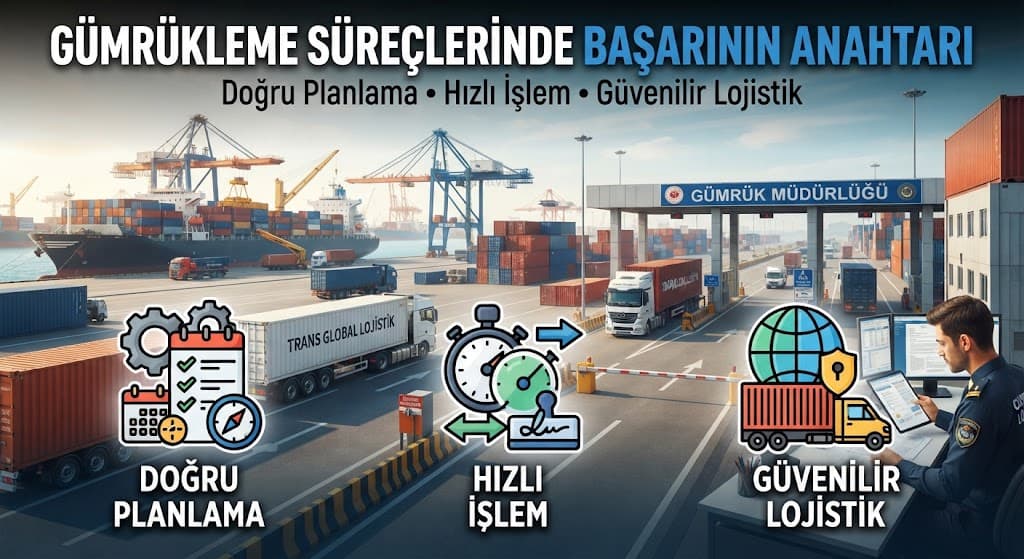
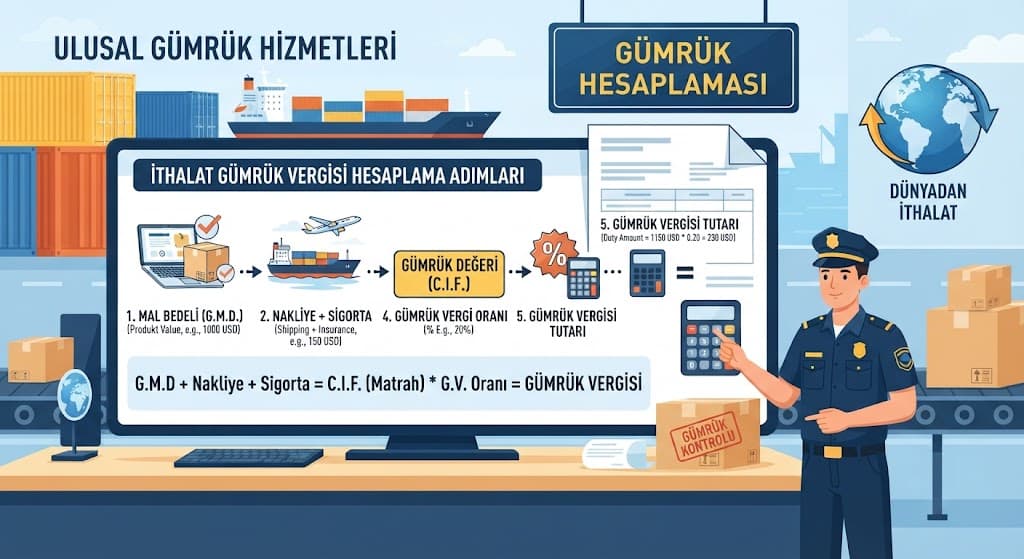
For businesses seeking to expand into international markets, exporting is one of the key ways to achieve growth and access new commercial opportunities. However, successfully managing export operations involves much more than simply shipping products abroad.
Compliance with customs regulations, accurate documentation, logistics planning, and coordination of delivery processes form the foundation of successful export operations.
Proper management of export customs clearance helps businesses control delivery times, reduce operational risks, and establish themselves as reliable partners in international trade.
1. How Does the Export Customs Clearance Process Work?
Export customs clearance covers the procedures required to ship goods from Türkiye to another country in compliance with applicable customs regulations.
The export process generally consists of the following stages:
Order and shipment planning: The products, quantities, delivery terms, and shipping schedule are determined.
Document preparation: The commercial invoice, packing list, and other required documents are prepared.
HS code and regulatory compliance checks: The tariff classification of the goods and any applicable permit or compliance requirements are reviewed.
Preparation of the customs declaration: The export customs declaration is prepared, and customs procedures are initiated.
Customs inspection and completion of procedures: Following the necessary checks, the export clearance process is completed.
Shipment and delivery: The goods are dispatched to the buyer according to the planned transportation arrangements.
Accurate and coordinated management of each stage improves the efficiency of export operations.
2. What Documents Are Required for Exporting?
The documents required for export transactions may vary depending on the nature of the goods, the destination country, and the terms of the trade.
The main documents include:
Commercial Invoice: Contains the essential details of the products and the commercial transaction.
Packing List: Specifies package details, quantities, weights, and product information.
Customs Declaration: Enables the export transaction to be formally declared to the customs authorities.
Transport Document: Depending on the mode of transportation, documents such as a Bill of Lading, CMR consignment note, or Air Waybill may be issued.
Certificate of Origin: Prepared when required to verify the origin of the goods.
Movement Certificates: Documents such as A.TR or EUR.1 may be required under applicable trade arrangements.
Permits and Compliance Documents: May be required under regulations specific to certain products or destination countries.
Ensuring that all documents are complete and consistent helps customs procedures proceed more smoothly.
3. The Importance of HS Code Classification and Regulatory Compliance in Exports
Correct classification of goods under the appropriate HS or tariff code is essential for determining applicable regulations and potential foreign trade measures in export transactions.
Certain products may require permits, licenses, certificates of conformity, or special inspection procedures before export.
Therefore, the following matters should be reviewed before shipment:
Correct classification of goods under the appropriate HS code.
Verification of export prohibitions and restrictions.
Identification of product-specific permits and documentation requirements.
Consideration of the import regulations of the destination country.
Assessment of requirements for certificates of origin and movement certificates.
Conducting regulatory checks before shipment can help reduce the risk of delays and additional costs.
4. Logistics Planning and Delivery Time Management
Logistics planning is just as important as customs clearance in export operations.
Selecting the appropriate transportation method, determining delivery terms, and establishing a shipment schedule are key factors that affect the timely delivery of goods to the buyer.
Key considerations in export logistics include:
Selecting the appropriate transportation method, such as road, sea, air, or rail freight.
Evaluating Incoterms delivery terms according to the responsibilities of each party.
Coordinating customs clearance and transportation processes.
Planning warehousing and loading operations.
Regularly monitoring the delivery process.
Effective logistics management contributes to controlling export costs and improving customer satisfaction.
5. The Role of Digitalization in Export Operations
Digitalization is one of the key tools enabling export processes to be managed more efficiently and transparently.
Digital shipment tracking systems, electronic document management, and automated reporting solutions allow businesses to monitor different stages of export operations through a single platform.
Key benefits of digital systems include:
Monitoring the current status of export shipments.
Identifying missing documents and pending operational steps.
Tracking shipment and delivery processes.
Analyzing costs on a shipment-by-shipment basis.
Reporting operational performance.
These systems help businesses establish more effective control mechanisms for their foreign trade operations.
Conclusion: Strong Export Operations for Sustainable International Trade
Successful export operations depend on the combination of accurate customs clearance, complete documentation, effective logistics planning, and regulatory compliance.
Professionally managed export operations help businesses establish a reliable commercial presence in international markets and support their long-term growth objectives.
At AKAN Global, we aim to provide professional solutions tailored to businesses' needs in export and customs clearance, helping ensure that foreign trade operations are carried out in a structured, reliable, and efficient manner.
Manage Your Export Operations with Confidence with AKAN Global
Get professional support for your export customs clearance, foreign trade, and logistics operations. Contact us to learn more about solutions tailored to your business needs.